New Florida Poly research targets root cause of Florida's algae crisis
PR Newswire
LAKELAND, Fla., April 27, 2026
LAKELAND, Fla., April 27, 2026 /PRNewswire/ -- Harmful algae blooms in Florida's rivers, lakes and springs pose a serious threat to public health, drinking water, tourism and the state's economy. Now, a Florida Polytechnic University researcher is advancing a promising new approach to address the problem.
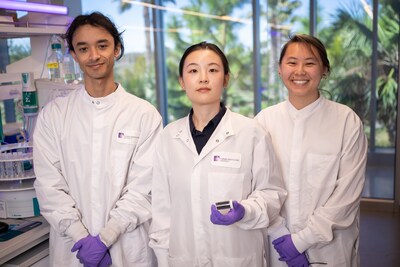
Dr. Yudi Wu, assistant professor of civil and environmental engineering, has received a $300,000 grant from the Florida Department of Environmental Protection to develop and test an innovative process to improve water conditions and reduce algae growth at the City of Lakeland's Se7en Wetlands park.
The underlying cause of the blooms is eutrophication, a condition in which water becomes overloaded with nutrients. At Se7en Wetlands, excess nitrogen and phosphorus act as catalysts for rapid algae growth, disrupting ecosystems and degrading water quality. Wu is leading a two-year project in collaboration with Florida A&M University and Se7en Wetlands to remove these unwanted nutrients.
The solution centers on a biochar-based system. Wu's team will deploy floating columns made of biochar, a sustainable charcoal-like material engineered to absorb and safely release the nitrogen and phosphorus. This method is designed to prevent their buildup and help restore ecological balance.
"Eutrophication has been troublesome in Florida for a very long time, and the government has put a lot of effort into solving the problem, with FDEP trying different innovative methods," Wu said. "We are honored to join the many people working on this issue, especially because Se7en Wetlands and so many others face this problem."
Se7en Wetlands was built at the site of a former phosphate mine. It filters millions of gallons of treated wastewater each day while providing a habitat for a variety of Florida wildlife. Wu said the wetlands' history means there is more phosphorus than nitrogen to remove.
The new process involves three- to five-foot columns attached to the bottom of a floating device. Each is filled with limestone and a biochar composite material that absorbs phosphate and allows the formation and release of nitrogen gas, reducing their levels in the water. Extensive water quality analysis will follow.
Wu said one of the most meaningful aspects of the project is the opportunity it provides students to gain hands-on experience tackling a real-world challenge with direct community impact.
"When they look back, I want them to see that this was helpful in boosting their career or professional development," she said. "I feel proud to see them grow from these research projects and become professionals in this field."
Two undergraduate students currently work with Wu, including Atticus Blake, a freshman majoring in civil engineering.
"The wetlands are such an interesting ecosystem to work with, so I was really interested in doing research in that field," said Blake, who worked in a university science department during gap years between high school and enrollment at Florida Poly. "I understand it's unusual to be in this position as a freshman, so I'm excited to be part of Dr. Wu's work throughout my undergrad years. I want to build a strong bond and understanding of her research and related areas."
 View original content to download multimedia:https://www.prnewswire.com/news-releases/new-florida-poly-research-targets-root-cause-of-floridas-algae-crisis-302754635.html
SOURCE Florida Polytechnic University

