The Benefits of Tree Farming for Our Environment and Economy
Nampa, United States - August 8, 2025 / Melad Tree Farm /
Tree farming is the practice of cultivating trees for various purposes, including timber production, environmental restoration, and recreational use. This method of agriculture focuses on growing trees in a sustainable manner, ensuring that both the environment and the economy benefit from the resources provided. Tree farming is not just about planting trees; it involves careful planning, management, and harvesting to maintain ecological balance while meeting the needs of communities.
One of the primary reasons tree farming is important is its significant contribution to environmental health. Trees play a crucial role in absorbing carbon dioxide, a greenhouse gas that contributes to climate change. By sequestering carbon, tree farms help mitigate the effects of global warming. Additionally, trees produce oxygen, which is essential for all living organisms. The cultivation of tree species such as pine, oak, and cedar can enhance biodiversity by providing habitats for various wildlife species. These farms can also help prevent soil erosion, improve water quality, and promote healthier ecosystems.
Tree farming also has a positive impact on the economy. It creates jobs in rural areas, from planting and maintaining trees to processing timber and other tree products. The timber industry is a significant contributor to many local economies, providing materials for construction, furniture, and paper products. Sustainable tree farming practices ensure that these resources are available for future generations while supporting local communities. By investing in tree farming, communities can foster economic growth while promoting environmental stewardship.
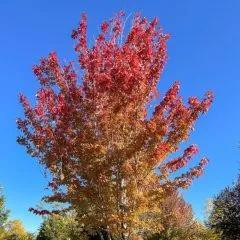
Common tree species grown on farms include pine, oak, maple, and spruce. Each of these species has unique characteristics that make them valuable for different purposes. For example, pine trees are often used for their fast growth and versatility in producing timber and paper products. Oak trees, known for their strength and durability, are highly sought after for furniture and flooring. Maple trees are prized for their sap, which is used to produce maple syrup, while spruce trees are commonly used in construction and as Christmas trees.
Sustainable tree farming practices are essential for ensuring that tree cultivation does not harm the environment. These practices include selective logging, which involves carefully choosing which trees to harvest while leaving others to continue growing. This method helps maintain the forest's overall health and biodiversity. Additionally, tree farmers often implement reforestation efforts, planting new trees to replace those that have been harvested. This not only ensures a continuous supply of resources but also helps restore ecosystems that may have been damaged.
Another important practice in sustainable tree farming is the use of integrated pest management (IPM). This approach minimizes the use of chemical pesticides by promoting natural pest control methods, such as encouraging beneficial insects that prey on harmful pests. By reducing chemical inputs, tree farmers can protect the health of the soil, water, and surrounding wildlife.
Tree farming also contributes to the economy through the production of non-timber forest products (NTFPs). These products include fruits, nuts, and medicinal plants that can be harvested from tree farms without harming the trees themselves. By diversifying their income sources, tree farmers can enhance their economic resilience while promoting sustainable land use.
In addition to the environmental and economic benefits, tree farming can also provide social advantages. Tree farms can serve as recreational spaces for communities, offering opportunities for hiking, birdwatching, and other outdoor activities. These spaces can foster a sense of community and connection to nature, promoting mental well-being and encouraging environmental awareness.
The importance of tree farming cannot be overstated. As the world faces challenges such as climate change, deforestation, and habitat loss, sustainable tree farming offers a viable solution. By cultivating trees responsibly, communities can enhance their environmental health while supporting economic growth. The practice of tree farming not only provides essential resources but also promotes ecological balance, ensuring that future generations can enjoy the benefits of healthy forests.
In conclusion, tree farming is a vital practice that supports both the environment and the economy. By growing tree species like pine and oak sustainably, tree farms provide essential resources while promoting ecological balance. The benefits of tree farming extend beyond timber production; they encompass environmental restoration, economic growth, and social well-being. As communities recognize the value of tree farming, they can work towards a more sustainable future, ensuring that the forests that provide so much are preserved for generations to come.
Learn more on https://meladtreefarmidaho.com/post/guide-tree-farming-sustainability
Contact Information:
Melad Tree Farm
12747 Lake Shore Dr
Nampa, ID 83686-9103
United States
Nathan Melad
+1(208) 850-8601
https://meladtreefarmidaho.com
