When Legal AI Tools Couldn't Handle Medical Malpractice, This Trial Lawyer "Vibe Coded" His Own
PR Newswire
HOUSTON, April 28, 2026
Hastings Law Firm is consistently uncovering substantial errors in its clients' medical records, using a proprietary AI platform built in-house by a trial attorney with no coding background and encoded with 25 years of courtroom pattern recognition that off-the-shelf legal AI cannot replicate.
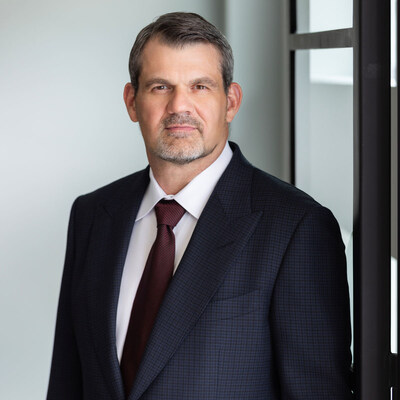
HOUSTON, April 28, 2026 /PRNewswire-PRWeb/ -- Attorney Tommy Hastings tried the AI legal tools. He went to the seminars, walked the exhibition floors, and ran the demos. None of it worked the way medical malpractice litigation actually works. So the managing partner of Hastings Law Firm, P.C., who has never written a line of code, built his own, encoding his trial experience into it.
Florence, named for the nurse who pioneered modern medical record-keeping, is a proprietary AI platform that converts raw medical record PDFs into structured, searchable clinical timelines. It is not available for sale. It exists for one purpose: to give Hastings Law Firm's clients the same depth of record analysis that was previously possible only after months of legal and medical review.
"The problem is that most AI tools being sold to attorneys are made for everyday personal injury work like car wrecks. But medical malpractice is a different animal," said Hastings, a plaintiff's trial attorney with 25 years of malpractice litigation experience in courtrooms nationwide. "You need a system that catches the various pathways and contradictions that live in the minutiae. Those are the details that win or lose cases, and no off-the-shelf product was even close to getting there."
What Florence Does
The platform processes medical record PDFs and organizes clinical events chronologically across source documents: nursing flowsheets, medication administration records, physician notes, lab panels, and operative reports. An interactive dashboard allows the firm's attorneys to query the data, run targeted searches, and conduct AI-assisted analysis of the clinical narrative.
The logic that drives the analysis is not generic; it reflects the specific anomaly patterns Hastings has learned to recognize across 25 years of depositions, expert battles, and courtroom verdicts. Development required solving problems that no off-the-shelf product had addressed: reconciling inconsistent charting conventions across hospitals, tracking medication orders through multiple overlapping systems, identifying monitoring gaps that straddle shift changes, and catching the subtle timestamp irregularities that experienced malpractice attorneys know to look for.
"You cannot build a tool for this work if you have never tried a medical malpractice case," Hastings said. "Florence works because the system was designed by someone who has sat across from high-dollar experts at a deposition and battled them in their own field of knowledge. It is not a smarter AI. It is AI that finally knows what questions to ask."
What the Firm Is Finding
The firm's attorneys have used Florence to examine charts across a wide range of cases, and the results have been consistent. "We are finding substantial errors in almost every chart we search," said Gabe Sassin, a senior trial attorney at Hastings Law Firm. The firm is using Florence to level the playing field with the unlimited resources available to insurance companies and multi-billion dollar healthcare companies.
A Different Kind of Legal Tech Story
The legal industry's relationship with artificial intelligence has largely been a story told by technology companies selling to law firms. Florence inverts that model: a practicing litigator who knew the problem from the inside, had the domain expertise to specify the solution, and used AI tools to build it himself, without a software engineering background.
"I'm not a software developer," Hastings said. "But I know what I need from medical records, and I know what questions to ask. The irony is not lost on me. Everyone is selling AI as the answer. I used AI as the tool. The difference is knowing what problem you are actually trying to solve."
Hastings has fielded inquiries about commercializing Florence. He is not interested. "I am a trial lawyer," he said. "I built Florence to improve our process and drive better case outcomes for our clients. Selling software is not the goal. My focus will always be on trying cases, holding negligent parties accountable, and making healthcare safer for everyone."
About Hastings Law Firm, P.C.
Hastings Law Firm, P.C. is a plaintiff's medical malpractice firm representing patients and families exclusively in healthcare-related injury cases, including birth injuries, surgical errors, misdiagnosis, pharmaceutical and medical device injuries, and medically related wrongful death. Founded in 2005 by board-certified trial attorney and 2025 ABOTA inductee Tommy Hastings, the firm has offices in The Woodlands, Houston, Dallas, Austin, and Phoenix. More information is available at hastingsfirm.com.
Media Contact
Tommy Hastings, Hastings Law Firm, P.C., 1 877-269-4620, chandler@hastingsfirm.com, https://www.hastingsfirm.com/
 View original content to download multimedia:https://www.prweb.com/releases/when-legal-ai-tools-couldnt-handle-medical-malpractice-this-trial-lawyer-vibe-coded-his-own-302753944.html
SOURCE Hastings Law Firm, P.C.

